Bracing

Bracing strategies involve the use of orthopedic braces or supports to provide stability, control, and protection to a specific area of the body. Braces are commonly used in the management and rehabilitation of musculoskeletal conditions and injuries. Here are some examples of bracing strategies for various parts of the body:

What is Bracing?

The use of knee braces should always be guided by a proper diagnosis and recommendation from a qualified healthcare professional. The choice of brace, its fit, and how long it should be worn depend on the individual’s specific condition or injury, and braces are often most effective when used as part of a comprehensive treatment plan that may include rehabilitation exercises, physical therapy, or other supportive interventions.

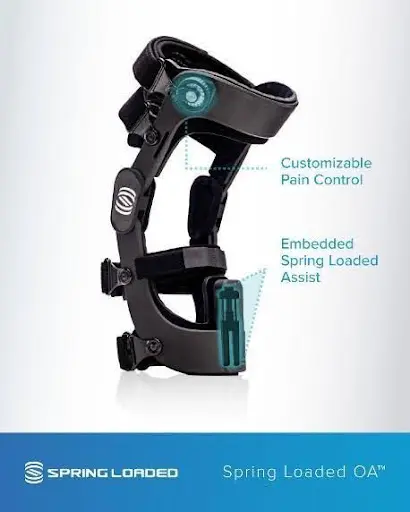
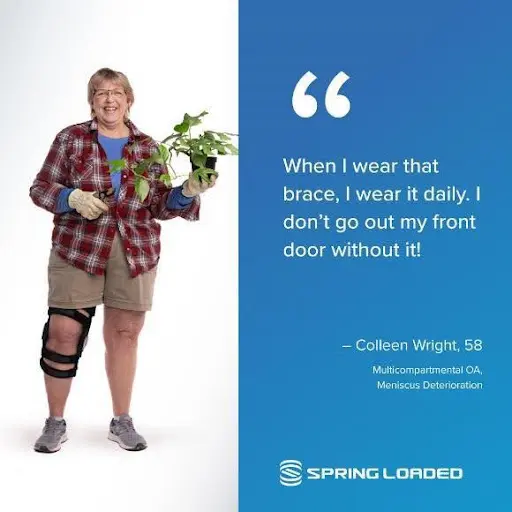
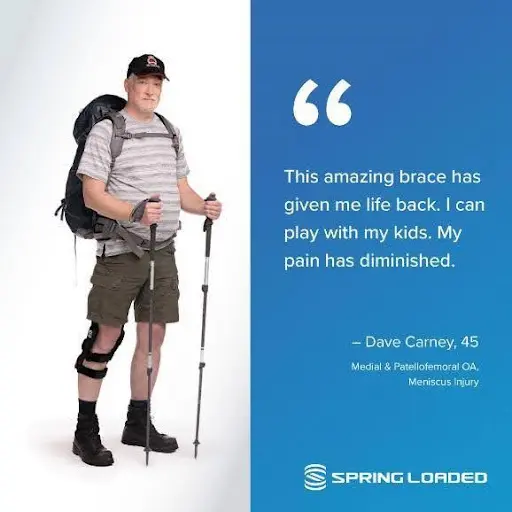
The Spring Loaded Knee Brace is designed with a powerful spring system that helps offload pressure from the entire knee joint, reducing pain during daily activities. Lightweight and ergonomically shaped to sit at the back of the leg, it features comfortable front straps that ensure a secure fit without slipping. The adjustable spring power allows users to fine-tune support for optimal pain relief while walking, and when the knee bends, the spring assistance stores energy and releases it to provide added support during movements such as climbing stairs or rising from a seated position.
The Evidence for Bracing

Knee Braces:
  • Prophylactic Knee Braces: These are often used in sports to prevent or reduce the severity of knee injuries, especially in high-risk activities.
  • Functional Knee Braces: Designed to provide support to individuals with existing knee injuries or instability. They are often used during rehabilitation.
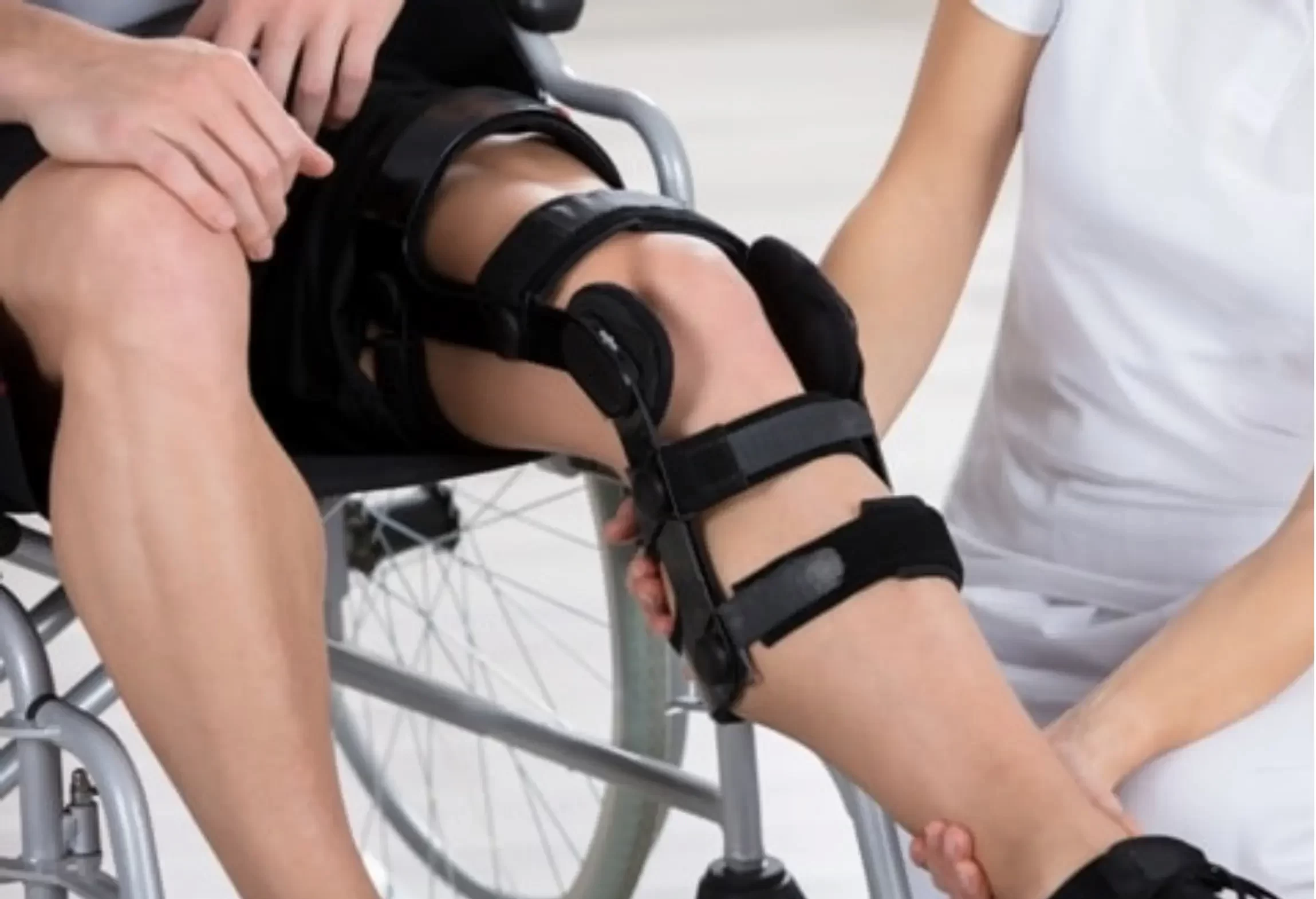
  • Unloader Knee Braces: These are used to alleviate pain and reduce the load on a specific compartment of the knee, often in cases of osteoarthritis.
  • Some studies suggest that unloader knee braces may help reduce pain and improve function in individuals with knee osteoarthritis, particularly for those with medial compartment osteoarthritis.
  • A review published in the Journal of Bone and Joint Surgery found evidence supporting the use of knee braces in improving symptoms and function in some patients with osteoarthritis.
Ankle Braces:
  • Lace-up Ankle Braces: Provide support and stability to the ankle joint, commonly used in the prevention and rehabilitation of ankle sprains.
  • Hinged Ankle Braces: Include a hinge mechanism that allows for a controlled range of motion, often used during the recovery from more severe ankle injuries.
  • The use of ankle braces, especially lace-up ankle braces, has been shown to be effective in preventing recurrent ankle sprains, particularly in individuals with a history of such injuries.
  • A meta-analysis published in the American Journal of Sports Medicine concluded that external ankle supports, including braces, significantly reduced the risk of recurrent ankle sprains.
Back Braces:
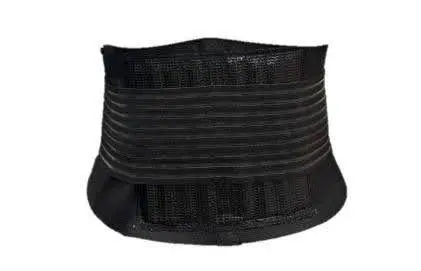
  • Lumbar Support Braces: Designed to provide support to the lower back, these braces are often used for individuals with low back pain or after certain spinal surgeries.
  • The evidence for the use of lumbar support braces in managing low back pain is mixed. Some studies suggest a short-term reduction in pain and disability, while others indicate no significant long-term benefits.
  • The American College of Physicians guidelines on noninvasive treatments for acute, subacute, and chronic low back pain state that there is limited evidence to support the use of lumbar support braces.
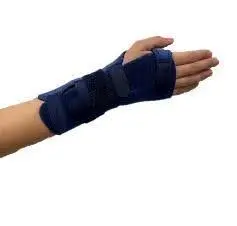
Wrist Braces:
  • Carpal Tunnel Braces: Designed to alleviate symptoms of carpal tunnel syndrome by supporting and stabilizing the wrist.
  • Wrist braces are commonly recommended for individuals with carpal tunnel syndrome. Research suggests that wearing a wrist splint at night may help alleviate symptoms by maintaining a neutral wrist position and reducing pressure on the median nerve.
  • A study published in the Journal of Orthopaedic & Sports Physical Therapy found that night-time splinting was effective in improving symptoms and functional status in patients with mild to moderate carpal tunnel syndrome.
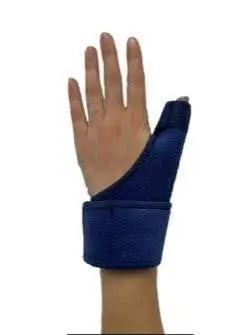
  • Thumb Spica Braces: Provide support to the thumb and wrist, commonly used for conditions like De Quervain’s tenosynovitis or thumb sprains.
Shoulder Braces:
  • Shoulder Immobilizers: Used to restrict shoulder movement after certain injuries or surgeries.
  • Shoulder Support Braces: Provide compression and support for conditions such as rotator cuff injuries or shoulder instability.
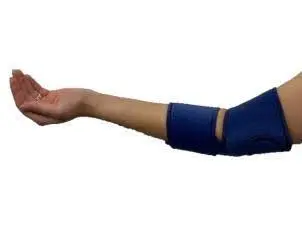
Elbow Braces:
  • Tennis Elbow Braces: Designed to alleviate symptoms of lateral epicondylitis (tennis elbow) by providing targeted compression to the forearm muscles.
  • The evidence on the effectiveness of braces for tennis elbow is mixed. Some studies suggest that counterforce braces or straps may provide short-term relief by reducing tension on the affected tendon, while others show inconclusive results.
  • A Cochrane review on interventions for treating lateral epicondylitis found limited evidence supporting the use of braces and supports in reducing pain in the short term.
  • Elbow Immobilizers: Used to restrict movement after certain elbow injuries or surgeries.

In Stock within Clinic

Images Description Conditions Price

Elbow Brace

  • Elbow strain
  • Olecranon bursitis
5

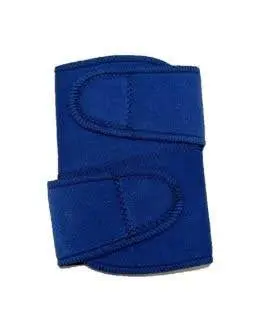
Elbow Support (counterforce offloader)

  • Tennis elbow
  • Golfer’s elbow
8.5

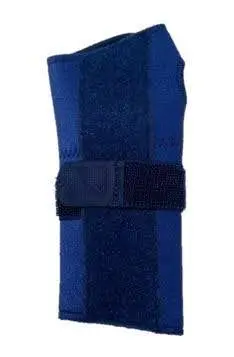
Wrist Brace

  • Wrist osteoarthritis
  • Carpal tunnel syndrome
16

Thumb Brace

  • Thumb osteoarthritis
  • de Quervain Syndrome
8.5

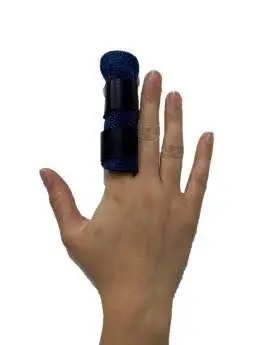
Finger Brace

  • Finger sprain
  • Trigger finger
5

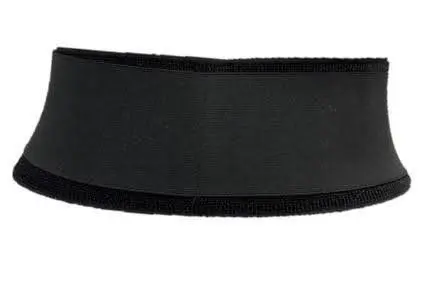
Sacroiliac Belt

  • Sacroiliac dysfunction
  • Sarcoiliitis
10

Lumbar Belt

  • Lumbar strain
15

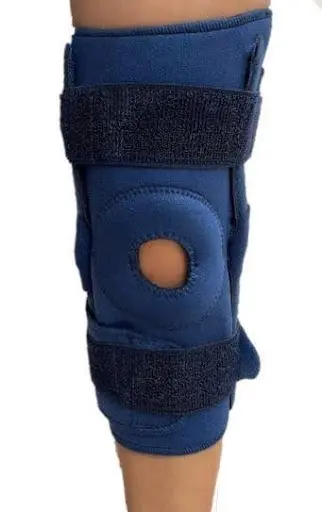
Knee Brace

  • Knee osteoarthritis
  • Patellofemoral pain syndrome
17

Ankle Brace

  • Ankle strain
8

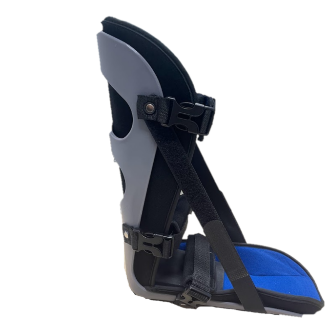
Achilles/Plantar Brace

  • Achilles tendinopathy
  • Plantar fasciitis
16

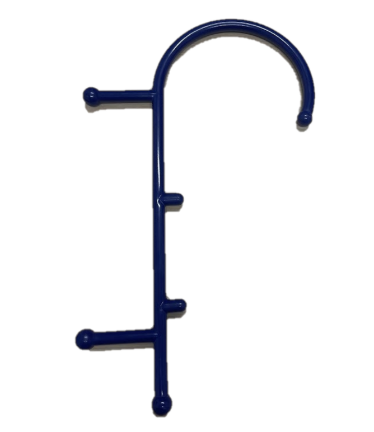
Massage Theracane / Shepherd’s Hook

  • Myofascial Pain Syndrome
  • Trigger Points
35

Massage Ball

  • Myofascial Pain Syndrome
  • Trigger Points
3

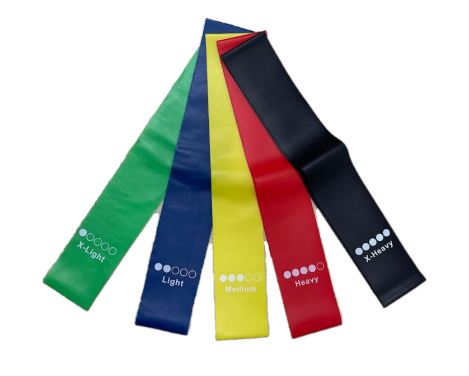
Resistance Bands

  • Strengthening
  • Stretching
7

Custom Knee Brace

Ready to prioritize your physical health?

755 Queensway East

Mississauga ON L4Y 4C5

REHABILITATION SERVICES

Unit 303: Physiotherapy, Massage Therapy,
Chiropractic, Custom Bracing, DEXA Body Scans

Mon, Wed, Fri : 8 am to 7 pm
Tues, Thurs : 8 am to 5 pm
Sat to Sun : Closed

MEDICAL SERVICES

Unit 303: Rheumatology, Neurology, Psychiatry, Lifestyle Medicine
Unit 304: Physical Medicine, NCS/EMG, US-Guided Injections

Mon to Fri : 8 am to 5 pm
Sat to Sun : Closed
(Hours and availability may vary)

Book Therapy